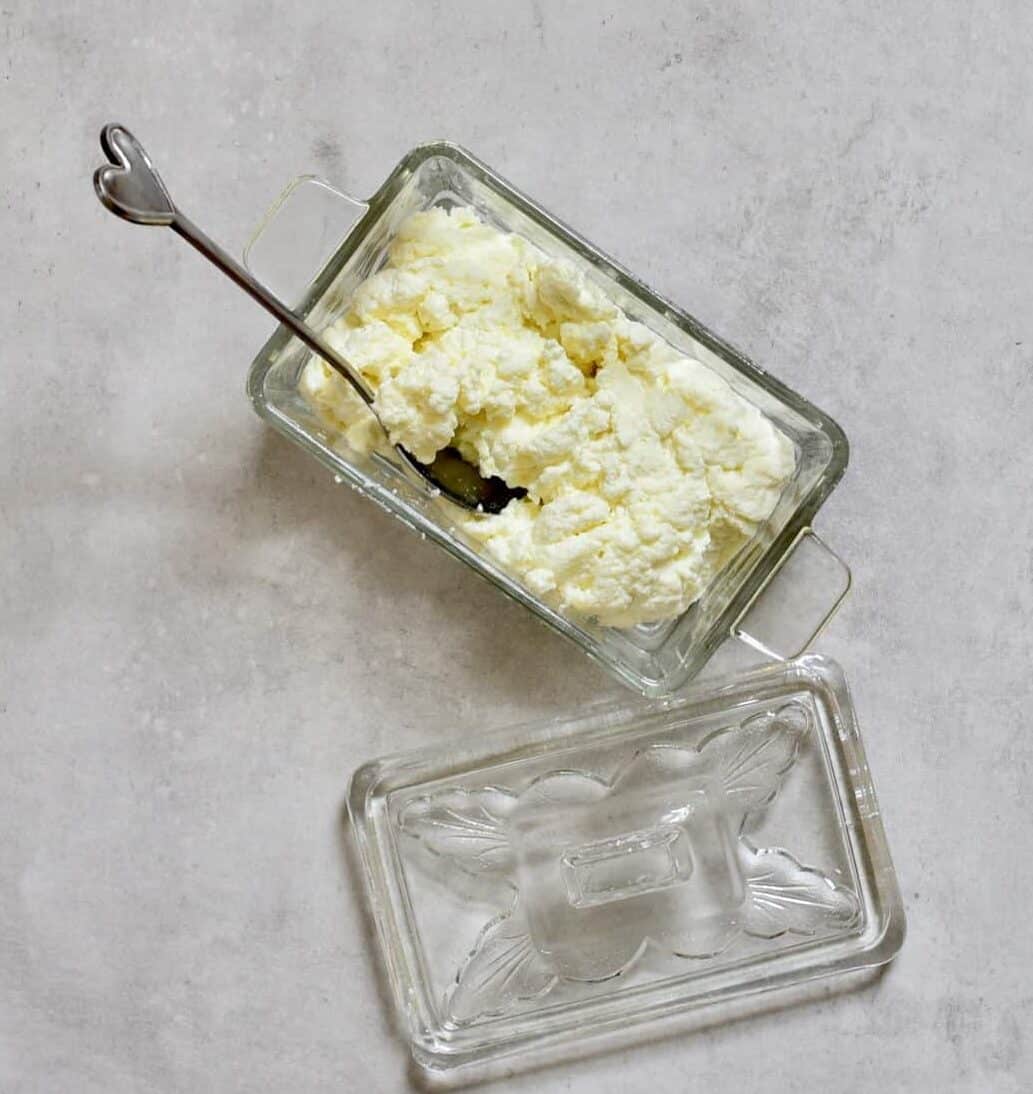
Unveiling the Magic of Homemade Ricotta: Why Bother?
Imagine a cheese so delightfully fresh, so unbelievably creamy, and so versatile it elevates everything from a simple breakfast spread to an elaborate Italian feast. That, my friends, is homemade ricotta. While the store-bought tubs offer convenience, they simply cannot compare to the vibrant taste and luxurious texture of a batch made from scratch. The good news? Crafting your own 3 ingredient homemade ricotta cheese is not only incredibly easy but also surprisingly quick, typically taking less than 30 minutes from start to finish. This simple process transforms humble dairy into a culinary masterpiece, proving that some of the best things in life truly are homemade.
Homemade ricotta isn't just a treat for your taste buds; it's a game-changer in the kitchen. Its fluffy, spreadable consistency and bright, milky flavor make it perfect for a myriad of dishes. Think rich lasagna, delicate stuffed shells, airy cheesecakes, or a simple dollop on toast with honey. Beyond its culinary prowess, making it yourself means you control the ingredients, resulting in a cleaner, fresher product free from the stabilizers and preservatives often found in commercial versions. For a deeper dive into why the DIY approach is always superior, explore Why Homemade Ricotta Beats Store-Bought Every Time.
Deciphering the "True" Ricotta vs. Our Home Version
Before we dive into our accessible home recipe, it's worth understanding the origins of what we traditionally call "ricotta." The word "ricotta" literally means "re-cooked" in Italian, a testament to its ingenious creation. Authentic Italian ricotta is a byproduct of cheesemaking, specifically made from the leftover whey – the watery, nutrient-rich liquid separated from the curds during the initial cheesemaking process. Italian cheesemakers, keen to waste nothing, would gently heat this whey to near boiling, causing a second, finer set of curds to coagulate. These delicate curds were then drained, resulting in the creamy, soft cheese we know and love.
This traditional method, while fascinating, relies on having a significant amount of whey readily available from other cheesemaking endeavors, which isn't practical for most home cooks. Thankfully, culinary innovation has provided us with an equally delicious and far more accessible alternative. The 3 ingredient homemade ricotta cheese recipe we'll explore today doesn't use leftover whey. Instead, it creates a "ricotta-style" fresh cheese by directly curdling whole milk with an acid. While technically a fresh cheese similar to paneer or farmer's cheese, the addition of cream and proper technique yields a product that is virtually indistinguishable in taste and texture from traditional ricotta for all practical culinary applications. It provides the same spreadable, creamy, and delightful experience without the need for a full-scale cheesemaking operation.
The Holy Trinity: Your 3 Essential Ingredients for Perfect Homemade Ricotta
The beauty of making your own ricotta lies in its simplicity. With just three core ingredients, you can transform everyday dairy into a fresh, artisanal cheese that will impress even the most discerning palates. Understanding the role of each component is key to achieving that coveted perfect texture and flavor for your 3 ingredient homemade ricotta cheese.
1. The Foundation: Premium Whole Milk
The quality of your milk directly translates to the quality of your ricotta. For truly rich, flavorful, and perfectly textured homemade ricotta, whole milk is non-negotiable. The higher fat content in whole milk is crucial for forming robust curds and contributing to the creamy mouthfeel that defines excellent ricotta. While you technically can use low-fat milk, the resulting cheese will be less rich, have a slightly firmer texture, and lack the indulgent quality of whole milk ricotta. Think of whole milk as the canvas for your culinary masterpiece.
Crucial Insight: Avoid Ultra-Pasteurized Milk! This is perhaps the most important tip for success. Ultra-pasteurization involves heating milk to very high temperatures for a short period, which denatures the milk proteins. While this extends shelf life, it unfortunately renders the milk incapable of curdling effectively when acid is added. Always check your milk carton and opt for regular pasteurized (or even better, non-homogenized if available, though not strictly necessary) whole milk. This single choice can be the difference between a successful batch and a disappointing one.
2. The Catalyst: A Gentle Acid Source
The magic of cheesemaking, even for this simple ricotta, relies on acidification. An acid is added to the warm milk, causing the milk proteins to coagulate and separate into solid curds and liquid whey. This is the pivotal step in creating your 3 ingredient homemade ricotta cheese.
- Citric Acid (Recommended): For the purest flavor and most consistent results, powdered citric acid is your best friend. It's readily available online or in many specialty food stores. Citric acid imparts no discernible flavor to the finished ricotta, allowing the natural milky sweetness to shine through. It's highly effective and provides precise control over the curdling process.
- Lemon Juice: Freshly squeezed lemon juice is a popular and accessible alternative. It works beautifully, but be mindful that it can sometimes impart a very subtle lemony tang to the ricotta, which might be desirable in some applications but not others. Ensure it's fresh for the best results.
- White Vinegar: Another common household acid, white vinegar is also effective at curdling milk. However, it can sometimes leave a slightly sharper or more acidic note in the final product compared to citric acid or lemon juice. If using vinegar, ensure it's unflavored white vinegar.
Tip for Success: Whichever acid you choose, add it slowly and gently stir. The goal is to encourage the milk to separate gradually, not aggressively. Too much acid too quickly can lead to tough, rubbery curds. Let the acid work its gentle magic.
3. The Indulgence: Rich Heavy Cream
While the milk and acid form the curds, it's the heavy cream that elevates your homemade creation from a simple farmer's cheese to the lusciously smooth, spreadable consistency we associate with perfect ricotta. This is the secret ingredient that transforms basic curds into a truly indulgent experience.
The heavy cream is typically added either at the beginning with the whole milk or stirred in gently after the initial curds have formed and before draining. Its high-fat content enriches the curds, making them incredibly tender, creamy, and full-bodied. Without the cream, your cheese would still be delicious, but it would have a firmer, more crumbly texture, akin to cottage cheese or paneer, rather than the fluffy spreadability of ricotta. This ingredient is what truly seals the deal for a luxurious 3 ingredient homemade ricotta cheese that rivals any gourmet variety. For a step-by-step guide to bringing these ingredients together in under half an hour, check out our Easy 3-Ingredient Ricotta: Make It in Under 30 Minutes article.
Beyond Ingredients: Tips for Your Ricotta Journey
Having the right ingredients is the first step, but mastering the technique for your perfect 3 ingredient homemade ricotta cheese involves a few crucial practicalities and tips:
- Essential Equipment: A heavy-bottomed pot prevents scorching, a reliable kitchen thermometer is vital for precise temperature control (aim for 190-200°F / 88-93°C, just shy of a boil), and a colander lined with fine-mesh cheesecloth is indispensable for draining.
- Patience with Heat: Heat the milk slowly over medium-low heat. Rushing this step can lead to scorching the milk, which will impart an off-flavor to your ricotta. Stir occasionally to prevent sticking.
- Gentle Stirring for Acid: Once the milk reaches temperature, remove it from the heat before adding your chosen acid. Stir gently for about 30 seconds to distribute the acid evenly, then let it sit undisturbed. Avoid vigorous stirring, as this can break up the delicate curds.
- The Resting Phase: After adding the acid, let the mixture rest for 10-20 minutes. This allows the curds to fully form and separate from the whey. You should see clear separation, with large white curds floating in a yellowish-green liquid.
- Draining for Desired Consistency: The longer you drain your ricotta, the firmer it will become. For a super creamy, spreadable ricotta, drain for 15-30 minutes. For a firmer cheese, suitable for crumbling into salads or baking, drain for 45 minutes to an hour or more.
- Seasoning is Key: Don't forget a pinch of salt! A small amount of fine sea salt added at the end enhances the ricotta's flavor beautifully. Taste and adjust.
- Troubleshooting: If your milk isn't curdling, the likely culprits are ultra-pasteurized milk, insufficient heat, or not enough acid. Try increasing the heat slightly (if it hasn't reached temperature) or adding another teaspoon of acid.
- Storage: Store your homemade ricotta in an airtight container in the refrigerator for up to 5-7 days. It's so delicious, it rarely lasts that long!
Embarking on the journey of making your own 3 ingredient homemade ricotta cheese is a rewarding culinary adventure. By understanding the critical roles of whole milk, a gentle acid, and rich heavy cream, you're set to create a truly superior fresh cheese. Beyond the ingredients, a few simple techniques and a little patience will ensure your success. The resulting fresh, creamy, and flavorful ricotta is an experience far beyond anything you'll find in a store-bought tub. So gather your three essential ingredients, get ready to embrace the joy of DIY cheesemaking, and prepare to elevate your culinary creations to a whole new level of deliciousness.
