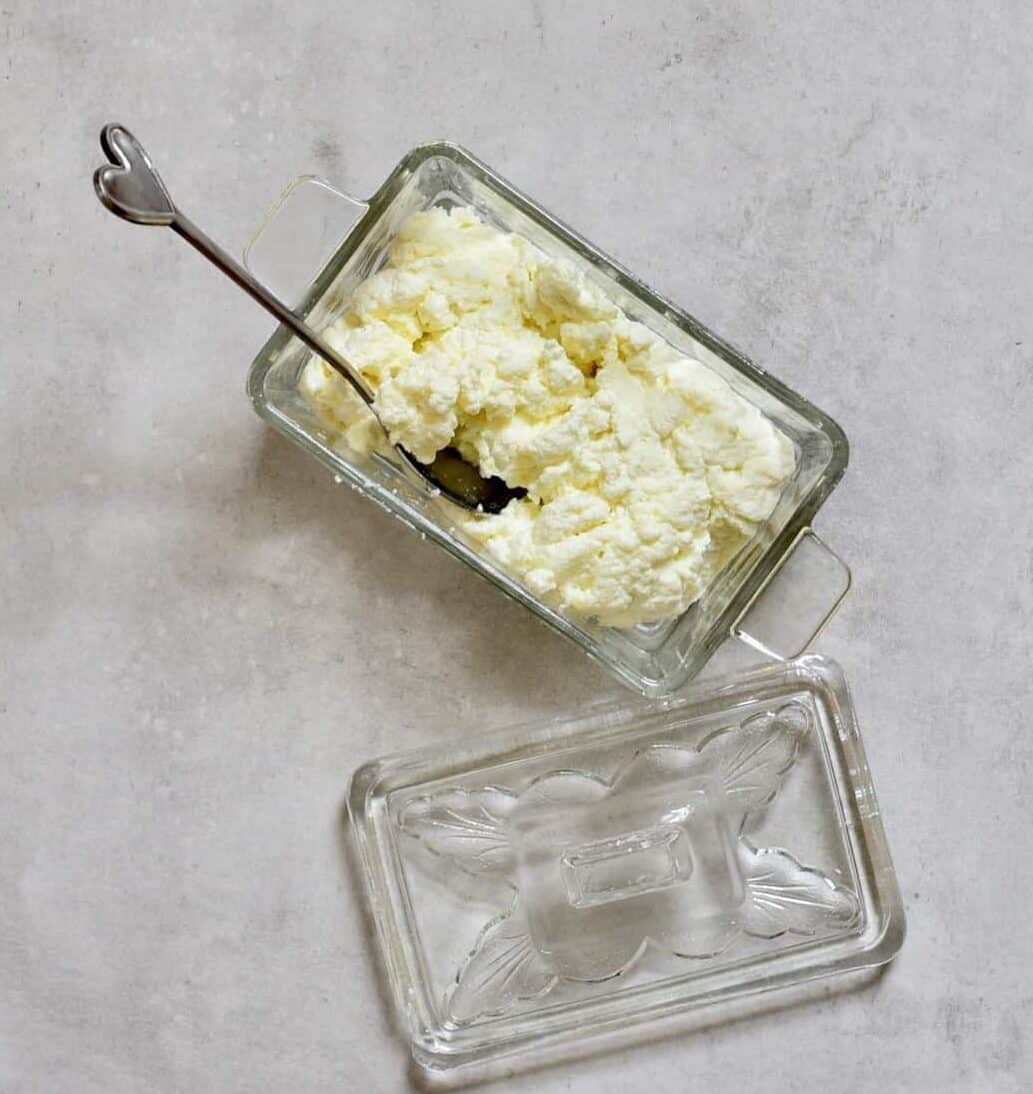
Why Homemade Ricotta Beats Store-Bought Every Time: A Fresh Perspective
Imagine a cheese so creamy, so exquisitely fresh, that it melts on your tongue, leaving a bright, milky tang that dances between sweet and savory notes. Now, forget the often grainy, sometimes bland tubs from the grocery store. We're talking about homemade ricotta cheese — a culinary revelation that is shockingly simple to create in your own kitchen. While store-bought versions serve their purpose, the difference in taste, texture, and sheer satisfaction when you make your own is nothing short of transformative. And the best part? Achieving this creamy dream requires just three humble ingredients.
Ricotta, a staple of Italian cuisine, holds a special place in the hearts of food lovers worldwide. Its versatility is legendary, gracing everything from hearty lasagna and delicate ravioli to luscious cheesecakes and cannoli. But to truly appreciate its potential, one must experience the unparalleled quality of a freshly made batch.
The True Essence of Ricotta: From Tradition to Your Kitchen
The name "ricotta" literally means "re-cooked" in Italian, a nod to its traditional origins. Historically, true Italian ricotta is a marvel of resourcefulness — a soft, fresh cheese made from the leftover whey after other cheeses (like mozzarella or provolone) have been produced. Cheesemakers would heat this nutrient-rich whey to a near boil, causing the remaining proteins to coagulate and form delicate, fluffy curds. This second coagulation yields the distinctively light and airy texture that defines authentic ricotta.
However, unless you're running a commercial cheesemaking operation, having copious amounts of fresh whey on hand is unlikely. Luckily, home cooks can achieve an incredibly similar, utterly delicious result using a much simpler method. The "ricotta" you make at home — often technically referred to as a fresh cheese akin to farmer's cheese — delivers all the desirable qualities of its traditional counterpart: a spreadable, creamy, and wonderfully flavorful cheese perfect for countless applications. And the real magic? It all hinges on making 3 ingredient homemade ricotta cheese.
What Makes Homemade So Much Better?
- Unmatched Freshness: This is perhaps the most significant advantage. From pot to plate in under an hour, homemade ricotta offers a vibrancy and purity of flavor that pre-packaged versions, often laden with stabilizers and preservatives, simply cannot replicate.
- Superior Texture: Store-bought ricotta often suffers from a slightly grainy, sometimes rubbery texture. Homemade ricotta, when made correctly, boasts an incredibly smooth, velvety, and fluffy consistency that effortlessly melts in your mouth.
- Pure, Bright Flavor: The taste of homemade ricotta is cleaner, milkier, and brighter. It lacks the sometimes acidic or bland undertones found in mass-produced options, allowing its natural sweetness and tang to shine through beautifully.
- Control Over Ingredients: You choose the quality of your milk and cream, ensuring no unwanted additives or mysterious ingredients find their way into your cheese. This control is invaluable for those prioritizing natural, wholesome foods.
- Cost-Effectiveness: While specialty artisanal ricotta can be pricey, making your own using common dairy ingredients is often significantly more economical, especially for the superior quality you achieve.
The Simplicity of 3 Ingredient Homemade Ricotta Cheese
Forget complex techniques or obscure ingredients. The beauty of making "ricotta" at home lies in its elegant simplicity. You only need three core components, which you likely already have or can easily acquire:
- Whole Milk: This is the foundation of your cheese. Whole milk provides the necessary fat content for a rich, creamy texture and full-bodied flavor. An important note: avoid ultra-pasteurized milk. The intense heat treatment used in ultra-pasteurization denatures the milk proteins, preventing them from curdling properly. Stick to regular pasteurized whole milk for the best results. While you can use lower-fat milk, the resulting cheese will be less rich and creamy.
- Acid: This is the magic ingredient that causes the milk to separate into curds (your cheese) and whey. You have a few options here:
- Citric Acid: Often considered the best choice for its neutral flavor profile, which allows the pure taste of the milk to dominate. It's readily available online or in specialty stores.
- Lemon Juice: Freshly squeezed lemon juice is a common and effective alternative, imparting a subtle citrusy brightness that complements the cheese well.
- White Vinegar: Another accessible option, though some find it can leave a slightly more pronounced tangy flavor.
- Heavy Cream: This is the secret weapon for achieving that luxurious, velvety texture. Added at the end of the process, heavy cream ensures your homemade ricotta is not just curdy but wonderfully smooth and spreadable, elevating it beyond a simple farmer's cheese.
The Basic Process – A Snapshot
Making your 3 ingredient homemade ricotta cheese is remarkably straightforward. You gently heat the milk (and sometimes cream) to a specific temperature, stir in your chosen acid, and watch as the milk magically separates into delicate curds and clear whey. A brief resting period allows the curds to fully form, after which they are gently strained through cheesecloth or a fine-mesh sieve. The duration of draining dictates the final consistency – shorter for a looser, creamier ricotta, longer for a firmer, more crumbly texture suitable for baking. The entire process, from start to finish, can be completed in less than 30 minutes, yielding a fresh cheese far superior to anything you'll find pre-packaged.
Beyond the Bowl: Creative Ways to Enjoy Your Homemade Ricotta
Once you've experienced the delight of fresh 3 ingredient homemade ricotta cheese, you'll find endless ways to incorporate it into your culinary repertoire. Its versatility makes it a star in both sweet and savory dishes:
- Savory Indulgences:
- Pasta Perfection: The classic choice! Use it generously in lasagna, stuffed shells, manicotti, or ravioli fillings.
- Spreads & Dips: A dollop on crusty bread, crostini, or bruschetta with a drizzle of olive oil, a sprinkle of salt, and fresh herbs is pure bliss. It also makes an excellent base for savory dips.
- Pizza & Flatbreads: Replace mozzarella with dollops of ricotta for a fresh, creamy topping on pizzas or focaccia.
- Egg Dishes: Swirl into scrambled eggs, frittatas, or quiches for added creaminess and richness.
- Vegetable Enhancement: Serve alongside roasted vegetables or spoon into baked potatoes for a gourmet touch.
- Sweet Delights:
- Dessert Fillings: Essential for authentic cannoli, cheesecakes, and tarts.
- Fruit Pairings: A simple bowl of ricotta with fresh berries, a drizzle of honey or maple syrup, and perhaps some chopped nuts makes for a healthy, satisfying dessert or breakfast.
- Pancakes & Waffles: Incorporate into your batter for incredibly light, fluffy, and moist pancakes or waffles.
- Sweet Spreads: Mix with a touch of sugar, vanilla, and orange zest for a delightful spread on toast or scones.
Tips for Ricotta Perfection
- Invest in a Thermometer: While not strictly essential, a good kitchen thermometer helps achieve the ideal temperature (usually around 175-195°F or 80-90°C) for optimal curdling, ensuring consistent results.
- Don't Over-Stir: Once the acid is added, stir gently and briefly. Excessive stirring can break up the delicate curds as they form.
- Be Patient: Give the curds enough time to form after adding the acid – typically 10-15 minutes – before you begin straining.
- Control the Texture: For a looser, creamier ricotta, drain for a shorter period (e.g., 15-30 minutes). For a firmer, more crumbly cheese suitable for baking, drain longer (e.g., 1-2 hours or more).
- Don't Discard the Whey: The leftover whey is a nutrient-rich liquid! Use it in baking (breads, smoothies), as a base for soups, or to water your plants.
- Storage: Store your homemade ricotta in an airtight container in the refrigerator for up to 4-5 days.
There's an undeniable satisfaction that comes from transforming simple ingredients into something truly extraordinary with your own hands. Making 3 ingredient homemade ricotta cheese is not just a cooking task; it's an experience that connects you more deeply with your food, offering unparalleled freshness, flavor, and texture that store-bought options simply cannot match. Once you try it, you'll wonder why you ever settled for anything less.
